
Weighing your baby before and after breastfeeding, known as a "weighted feed," is often recommended to measure how much milk your baby is getting. But this practice is more likely to cause stress than provide helpful information.
Many "lactation specialists" use this tactic during their service sessions to appear knowledgeable or objective about their recommendations, but pre- and post-feed infant weighing is not evidence-based or supportive of long-term breastfeeding.
In fact, weighing babies too frequently increases parent anxiety and reduces exclusive breastfeeding rates. Baby weights fluctuate up and down naturally from day to day with intake and output. Gradually, over time, the baby's weight will trend upwards when they are not working on putting on height or growing their head.
Adults recognize that obsessing about their weight or weighing themselves too often can trigger anxiety and disordered eating rather than leading to better outcomes. Collecting infant weights too often and recording it in long lists or apps is vanity data rather than actionable data.
The idea that mothers need to produce many ounces of milk at a time or fill up a freezer with milk to successfully breastfeed is false. Let's talk about why it's not a good idea and what you should focus on instead.

What's Wrong with Weighted Feeds?
It's Not Accurate
Many scales used by lactation consultants aren't hospital-grade and tend to round down, giving false readings. This can make it seem like your baby isn't getting enough milk when they're perfectly fine.
It Can Mess with Milk Flow
Being watched or monitored while feeding can make moms feel nervous, which can actually reduce how much milk comes out. So the numbers you see on the scale might not reflect what usually happens during a relaxed feeding session.
Bad Timing
These weight checks often happen in the afternoon, when milk supply naturally dips. This creates a skewed view of how much milk your baby is getting and can make moms doubt their supply for no reason.
It Ignores Natural Variations
Babies don't eat the same amount at every feed. Sometimes they're snacking; other times they're chowing down. A single weighted feed doesn't show the full picture.
Bathroom Breaks Throw It Off
If your baby pees or poops during the feed, the scale will show a lower post-feed weight. This doesn't mean your baby didn't get enough milk—it just means they're doing what babies do!
There's No Evidence It Helps
Science doesn't back up the idea that weighted feeds are helpful or necessary for healthy, growing babies. They're not a reliable way to measure milk intake or determine if your baby is getting enough.
How to Tell If Your Baby Is Getting Enough Milk
Instead of obsessing over scale numbers, look for these signs that your baby is thriving:
They're eager to nurse.
They're peeing and pooping regularly.
Their urine is clear or pale yellow.
Their skin looks healthy and their eyes are bright.
They're active and moving their arms and legs.
They're meeting developmental milestones.
They seem happy and playful when awake.
The Problem with Weight Charts
Weight charts don't take into account that babies are individuals, just like adults. Genetics, height, and body type all play a role in how a baby grows. Expecting every baby to fit neatly onto a single chart is unrealistic. Just like there's no one-size-fits-all ideal weight for adults, there's no universal "right" weight for babies.
Early Weight Changes Are Normal
It's normal for newborns to lose 3-10% of their birth weight in the first few days and then regain it over the next 2-3 weeks. If a mom received IV fluids during labor, her baby might be born heavier due to water retention. This weight drops off quickly, but it's nothing to worry about.
What to Do If Weight Gain Seems Slow
If you're concerned about your baby's weight, the first step is to check their latch. Many early breastfeeding issues can be solved with help from a skilled lactation consultant. Frequent nursing, and reducing physical and mental stress can also make a big difference. Formula supplementation should be a last resort, not a first step.
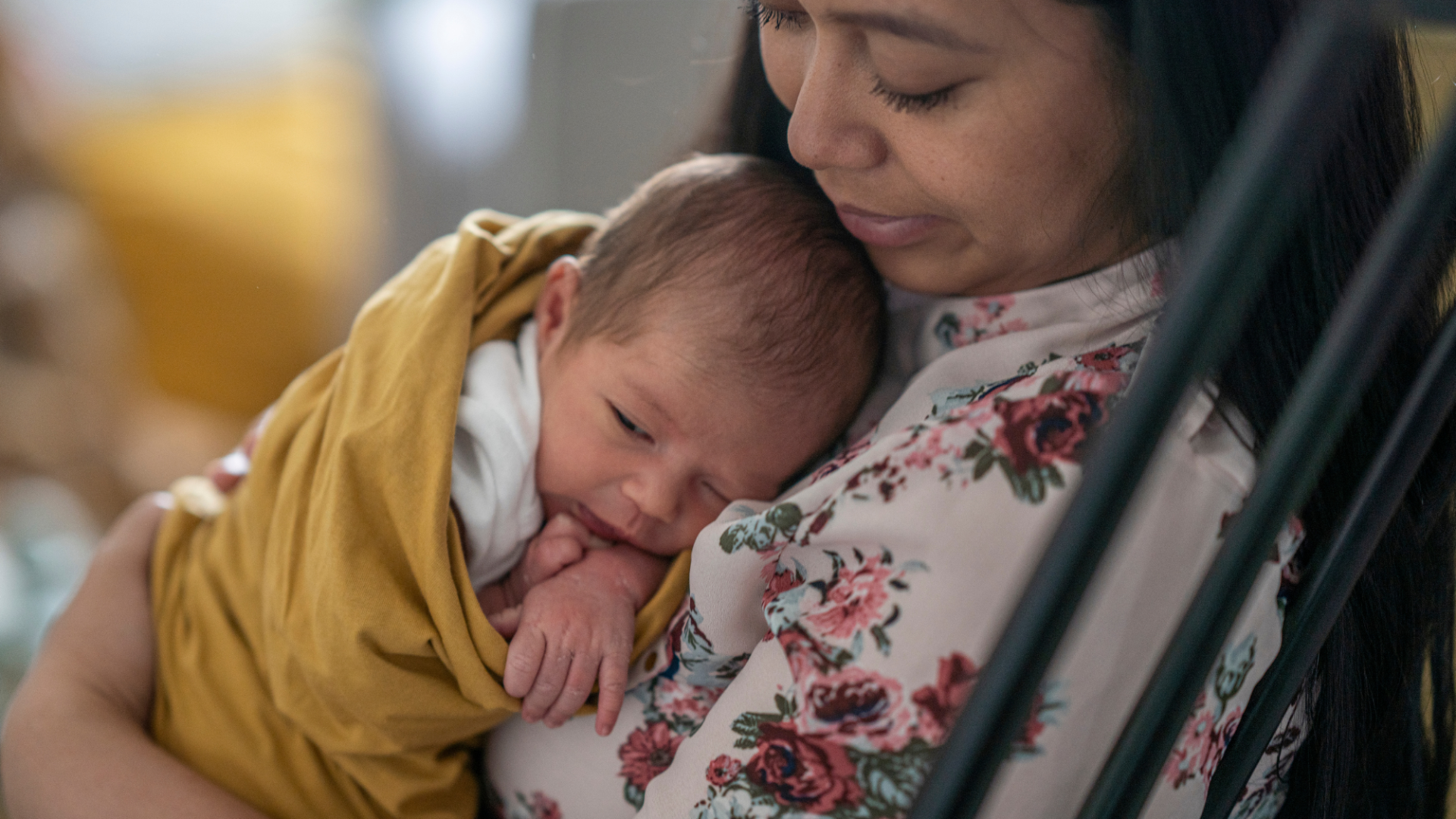
Focus on the Baby, Not the Scale
Weighted feeds often lead to unnecessary worry and undermine moms' confidence. If your baby is nursing well, meeting milestones, and seems happy, chances are they're getting what they need. Rather than stressing over numbers, focus on your baby's overall health and well-being. As Dr. Jay Gordon says, "Look at the baby, not the scale."
Breastfeeding is a natural process, and every mom and baby's journey is unique. Trust your instincts, seek support when you need it, and celebrate the amazing job you're doing to nourish your baby.